
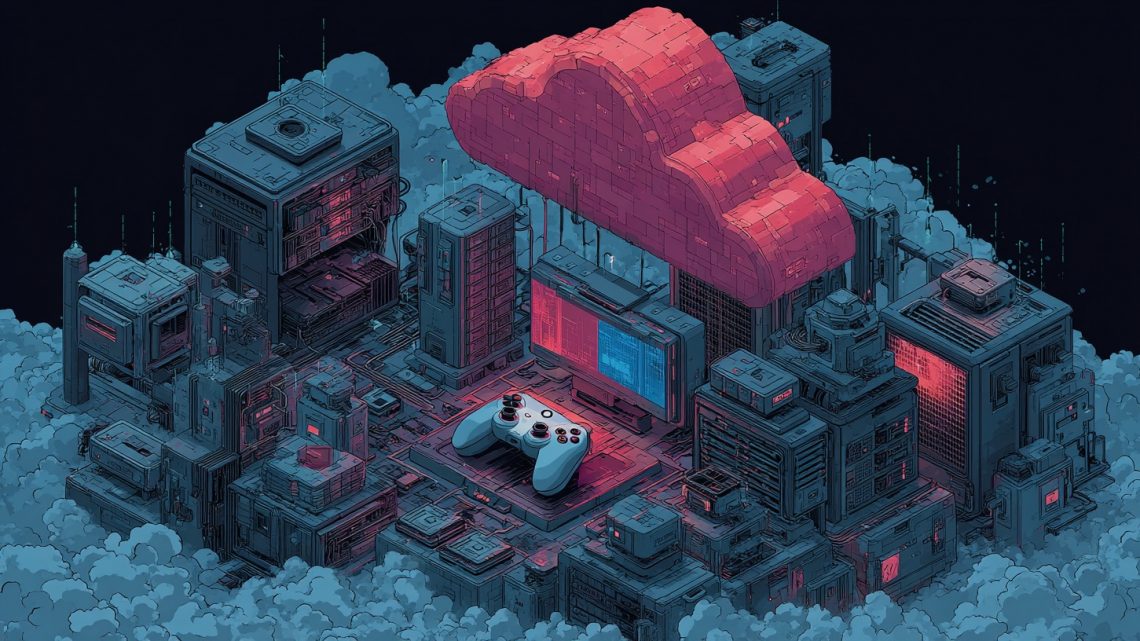
Cloud gaming, or gaming-as-a-service (GaaS), is transforming the industry by enabling players to stream demanding games on any device without needing high-end hardware or long downloads. Supported by 5G and distributed cloud technology, the market is projected to reach US$20,938.3 million by 2030 with a CAGR of 45.5%.
With major moves from companies like Sony, Nintendo, and Google’s 2019 launch of Stadia, the future of gaming offers unparalleled accessibility and flexibility for players worldwide. Whether you’re diving into epic titles or exploring niche communities like Delta Force PC Hacks, cloud gaming provides endless opportunities for every type of gamer.
Understanding cloud computing in the gaming industry
Cloud computing allows players to stream games directly from remote servers, eliminating the need to download and install them on a computer or console. Instead, games are streamed to a user’s device, similar to watching videos on YouTube or Netflix.
This means users can enjoy high-end games on laptops, smartphones, tablets, or smart TVs without powerful hardware. Here’s how it works:
- Game Streaming: Games run on remote servers instead of the user’s local device.
- Data Centers: Powerful data centers store and process game data, handling the demanding computations.
- Internet Connectivity: A high-speed, stable internet connection transmits game data between the server and the player’s device.
- Real-Time Interaction: Player inputs are sent to the server, processed in real time, and the resulting game footage is streamed back.
- Device Independence: Players can access games on any device capable of streaming video without needing high-spec hardware.
- Subscription Model: Users typically pay a recurring fee to access a library of games.
- Scalability: Cloud infrastructure can scale to accommodate a large number of players simultaneously, ensuring consistent performance.

Despite these advancements, some aspects of gaming culture remain unchanged. With cloud computing, users can access a vast library of games without worrying about hardware limitations.
They can simply log in, select a game, and start playing. However, the demand for game enhancements and cheats, like those for titles such as https://wh-satano.ru/en/cheats/delta_force, continues to be a persistent part of the online gaming landscape.
The impact of cloud computing on the gaming industry
Cloud computing enables seamless gameplay on various devices, lowers the barrier to entry for gamers, and streamlines content delivery. Here are the benefits of cloud computing in gaming for both players and developers.
Enhanced Accessibility and reach
Cloud gaming services remove the need for powerful hardware, making high-end gaming accessible to a broader audience. Players can use old laptops or modern smartphones to access a library of games without the cost of hardware upgrades.
Flexibility and convenience
Gamers can start playing on one device and switch to another without losing progress. This cross-platform functionality makes gaming more accessible on the go. Mobile gamers especially benefit, enjoying desktop-quality games on their phones without using extensive storage or waiting for long downloads.

Scalability and cost efficiency for developers
Game developers can scale their operations without a large upfront investment in physical hardware. Cloud servers handle demanding tasks like graphics rendering, allowing developers to adjust resources based on demand. This scalability helps manage costs and supports more ambitious projects.
Enhanced multiplayer and social interactions
Cloud servers facilitate low-latency, real-time interactions for multiplayer games, connecting players across different locations with minimal delay. This is crucial for competitive and cooperative online gaming, providing a smooth, synchronized experience for everyone.
Improved security and reduced piracy
Cloud gaming platforms enhance security by hosting games on secure servers. This helps mitigate risks like piracy and cheating by controlling the game’s execution environment. Updates are applied directly on the servers, ensuring all players use the latest, most secure version without manual updates.
Efficient game updates and content delivery
Cloud platforms streamline the distribution of game updates. Developers can deploy updates on the server side, making them instantly available to all players and eliminating downtime from patch downloads. This model improves the user experience by delivering the latest content quickly.
These advancements are fostering a more inclusive, secure, and innovative gaming environment, pointing toward continued growth for the industry.